Planning and Permits
Research design, ethics approvals, and local permits are secured before any fieldwork begins.
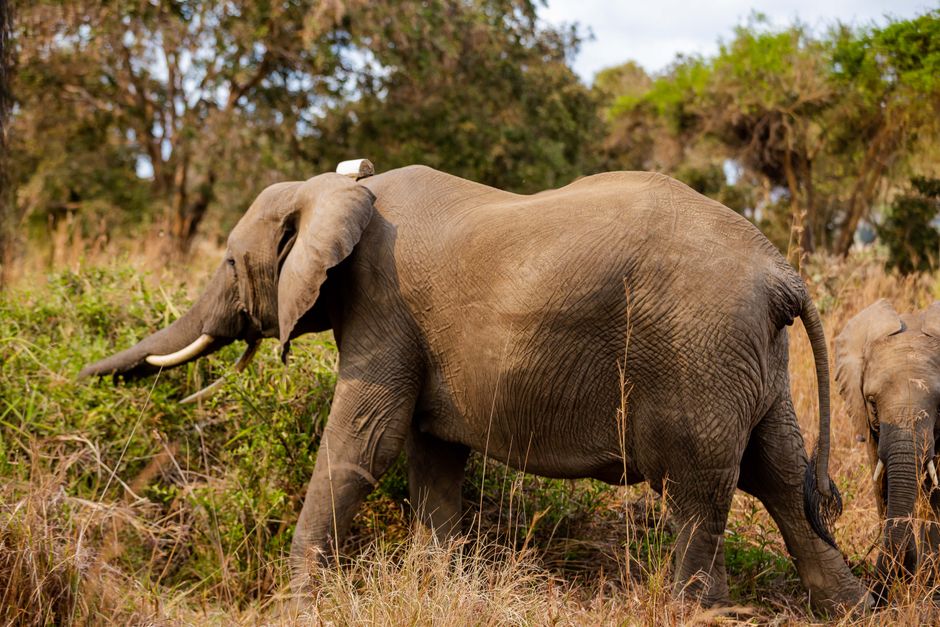
The author holds a degree in wildlife biology and conservation, with formal studies focused on savanna and forest ecosystems. Early academic work examined large mammal behaviour and habitat use in protected areas described in the blog. Further studies in conservation biology covered population monitoring and biodiversity assessment methods, contributing to a background in field-based observation and recording practices. Years of fieldwork across remote regions of Africa support the blog's documented wildlife observations. The approach treats wildlife biology as an ongoing study, where all conclusions depend on seasonal conditions, animal movement, and ecosystem variability. Readers are encouraged to view each account as a documented record of a particular place and time rather than a generalisable forecast or outcome evaluation.
Research design, ethics approvals, and local permits are secured before any fieldwork begins.
Standardised wildlife observation methods are applied consistently across savanna, forest, and desert habitats.
Field notes, camera traps, and acoustic recordings are collected using transparent, repeatable protocols.
Chronological field seasons in remote African areas are documented, including location, duration, and sampling constraints.
The author holds a background in wildlife biology and conservation, with years of field experience across remote African regions. Fieldwork has included expeditions in the savannas of East Africa, the tropical forests of the Congo Basin, and the deserts of the Kalahari and Namib. These engagements, often lasting several months, involve systematic observation, species documentation, and habitat assessment. The content on this blog reflects direct encounters and data collected under varying environmental and logistical conditions. It offers context on the complexities of field research, where outcomes depend on seasonal patterns, accessibility, and other external factors rather than uniform expectations.
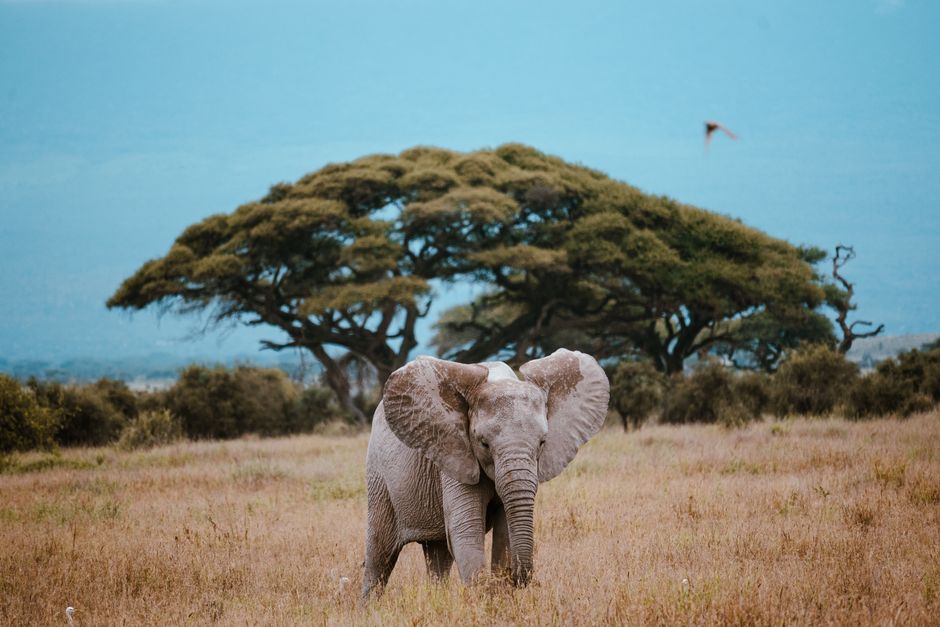
I found the accounts of wildlife biology training and extended field seasons informative. They are presented as personal observations, not as verification of the material.
The descriptions of work in remote conservation areas give useful context to the blog. These are individual opinions only, and readers should assess any claims independently.
It is valuable that the author's background is shared without suggesting the content is comprehensive. I see these reviews as subjective perspectives, not endorsements.