Elephant Matriarchs: The Backbone of Herds
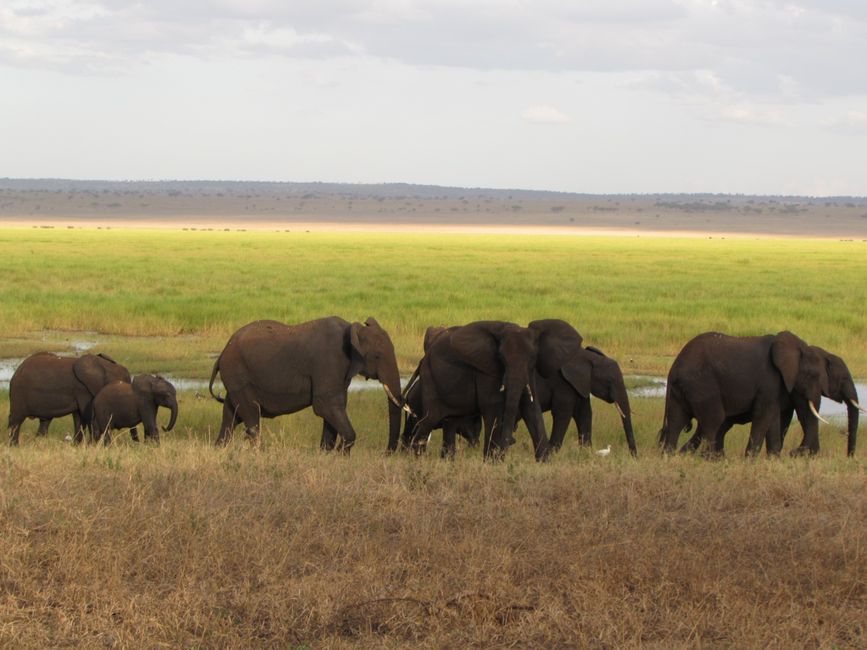
In the vast landscapes of Africa, elephant herds are led by older females known as matriarchs. These individuals are often the oldest and most experienced members, guiding their families through seasonal challenges. The matriarch’s role is central to the herd’s survival, as she draws on decades of accumulated knowledge to navigate the environment.
This article explores the various aspects of a matriarch’s leadership, from locating water sources to avoiding threats and maintaining social cohesion. By examining these roles, we gain insight into the complex social fabric of elephant society and the importance of preserving these knowledgeable leaders.
Understanding the matriarch’s function is not only fascinating but also crucial for conservation efforts. As human activities continue to impact natural habitats, the stability of elephant herds depends on the continuity of this traditional wisdom.
The Role of the Matriarch in Elephant Society
Elephant herds are matriarchal, meaning that the oldest female typically assumes the leadership position. This is not a matter of dominance alone but rather a recognition of her extensive experience and social connections. The matriarch is often the mother, grandmother, or great-grandmother of many herd members, creating a tightly knit family unit.
Her leadership is characterized by a democratic approach; while she makes final decisions, she considers the needs of the group. For instance, she may lead the herd to water sources she remembers from years past, but she also responds to the calls of younger elephants when they signal distress. This balance ensures that the herd benefits from both her wisdom and the collective input of its members.
The matriarch’s influence extends beyond mere navigation. She plays a key role in mediating conflicts, reinforcing social bonds, and teaching younger generations essential survival skills. Her presence provides a sense of stability and continuity, which is vital for the herd’s overall well-being.
Navigating the Landscape: Finding Water and Food
One of the matriarch’s most critical responsibilities is locating resources, particularly water. In arid regions, water sources can be scattered and seasonal. The matriarch relies on her memory of previous years to guide the herd to these vital oases. She may recall the location of a dry riverbed where water can be found by digging, or a distant spring that only appears after certain rains.
Her knowledge is not static; it is updated with each passing season. She observes changes in the environment, such as shifting river courses or new vegetation growth, and adjusts the herd’s movements accordingly. This adaptive capacity is essential in a dynamic ecosystem where conditions can vary dramatically from year to year.
In addition to water, the matriarch leads the herd to suitable foraging areas. She knows which plants are nutritious and which are toxic, and she times the herd’s movements to coincide with fruiting seasons. By doing so, she ensures that all members, especially the young and nursing mothers, receive adequate nutrition.
Avoiding Danger: Threat Detection and Response
Matriarchs are also the primary defenders of the herd. They are vigilant to potential threats, such as predators, human activity, or environmental hazards. Their keen senses of smell and hearing allow them to detect danger from a distance, often before other herd members are aware.
When a threat is perceived, the matriarch may respond in several ways. She might lead the herd away quietly, or she might stand her ground and confront the danger, especially if calves are at risk. Her decisions are based on past experiences; she remembers which areas are safe and which should be avoided.
In regions where elephants share space with humans, matriarchs play a crucial role in mitigating conflict. They may learn to navigate around farmlands or to move at night when human activity is low. This behavioral flexibility highlights the matriarch’s ability to adapt to changing circumstances, although such adaptations depend on the specific context and pressures present.
Maintaining Social Bonds and Communication
The social fabric of an elephant herd is maintained through constant communication and interaction. The matriarch is at the center of this network, using a range of vocalizations, touches, and gestures to coordinate the group. Low-frequency rumbles, for example, can carry over long distances and serve to keep the herd in contact when visibility is poor.
She also reinforces social hierarchies and bonds through affectionate touches and grooming. These behaviors reduce tension and strengthen relationships among herd members. Younger females often learn mothering skills by observing the matriarch’s interactions with calves, ensuring that knowledge is passed down through generations.
Furthermore, the matriarch plays a role in welcoming new births and mourning deaths. Elephants are known to exhibit complex emotional responses, and the matriarch often leads these ceremonies. Such practices foster a sense of community and shared identity, which are essential for the herd’s cohesion.
Conservation Implications and the Future of Matriarchs
The loss of a matriarch can have profound effects on an elephant herd. Without her guidance, younger females may struggle to find resources or avoid dangers, leading to increased mortality and reduced reproductive success. Conservation efforts that focus on protecting older females are therefore vital for the long-term survival of elephant populations.
Organizations like Savanna Wild work to safeguard elephant habitats and advocate for policies that reduce human-elephant conflict. By supporting the continuity of matriarchal leadership, such initiatives help maintain the intricate social structures that define elephant society.
However, the effectiveness of these efforts depends on a multitude of factors, including political will, community engagement, and ecological conditions. A comprehensive approach that combines research, education, and on-the-ground protection is necessary to ensure that matriarchs continue to lead their herds for generations to come.