Surviving the Namib: Desert Adaptations of Plants and Animals
The Namib Desert, stretching along the western coast of southern Africa, is one of the oldest and most arid deserts on Earth. Its hyper-arid core receives less than 10 millimetres of rainfall annually, yet it supports a surprising diversity of life. The secret lies not in abundance, but in adaptation: organisms have evolved remarkable strategies to capture moisture, conserve water, and endure extreme temperatures. For anyone interested in arid ecology, the Namib offers a living laboratory of survival mechanisms that continue to fascinate researchers and travellers alike.
This article explores some of the most ingenious adaptations of plants and animals in the Namib. It examines how these species obtain and retain water, regulate their body temperatures, and reproduce in a landscape that appears hostile to life. By understanding these strategies, we gain insight into the resilience of desert ecosystems and the delicate balance that sustains them. The focus is on observable processes and documented behaviours, without implying that any single adaptation guarantees survival.
“In the Namib, survival is a matter of capturing every drop and wasting none.”
Fog as a Lifeline: Beetles and Other Fog-Baskers
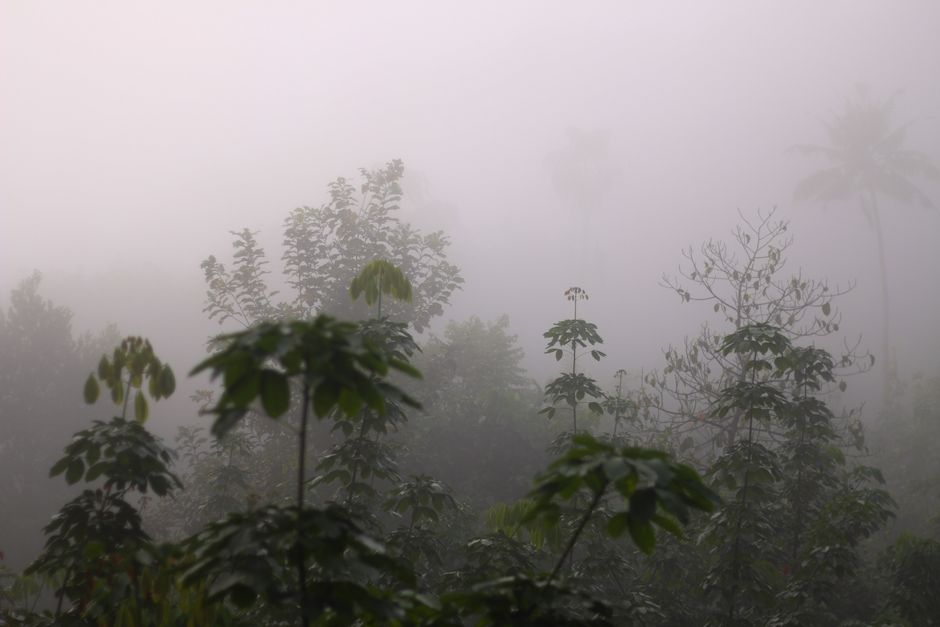
Along the Namib coast, cold offshore currents generate dense fog that rolls inland during the night and early morning. This fog is a critical water source for many organisms. The most famous example is the Namib desert beetle, particularly the genus Stenocara. These beetles adopt a head-down posture on sand dunes, allowing fog droplets to condense on their bumpy wing covers. The droplets then run down toward their mouths. This mechanism relies on alternating hydrophilic (water-attracting) and hydrophobic (water-repelling) regions on the beetle’s back, a structure that has inspired technological research. While fog-basking is highly effective, it depends on fog frequency, which varies seasonally and geographically.
Other fog-baskers include certain spiders and scorpions that emerge during foggy nights to drink from condensed droplets on their bodies. Some plants, such as lichens and certain succulents, also absorb fog directly through their surfaces. In the Namib, fog is not merely a weather phenomenon; it is a distributed water delivery system that many species exploit. However, reliance on fog can be risky: years with low fog or shifting wind patterns can stress these populations. Thus, fog-basking is a conditional adaptation, advantageous only where and when fog is reliably present.
Researchers have studied fog-basking behaviour extensively, but questions remain about how climate variability affects these strategies. For instance, changes in ocean currents could alter fog regimes, potentially impacting beetle populations. Such uncertainties highlight the need to view adaptations as dynamic responses to environmental conditions, not fixed guarantees. The Namib’s fog-baskers exemplify how life can persist in extreme aridity, provided that a predictable moisture source exists.
Welwitschia mirabilis: A Living Fossil with Deep Roots
Welwitschia mirabilis is a gymnosperm endemic to the Namib Desert, renowned for its unusual appearance and extreme longevity. It produces only two leaves that grow continuously throughout its life, which can exceed a thousand years. The plant survives in one of the driest regions by developing an extensive root system that reaches deep into the soil to access groundwater. Its thick, woody stem and leathery leaves also help reduce water loss. Additionally, Welwitschia can absorb moisture through its leaves from fog and dew, supplementing its water intake.
Reproduction in Welwitschia is dioecious, meaning individual plants are either male or female. Pollination is thought to be facilitated by insects, particularly flies and beetles attracted to the plant’s cones. Seed dispersal is limited, and germination requires specific moisture conditions that occur infrequently. Consequently, successful recruitment is episodic and unpredictable. Despite its iconic status, Welwitschia faces threats from climate change, mining, and off-road vehicle damage. Its survival strategy is a blend of deep rooting, fog utilisation, and slow growth—a combination that works only in the absence of rapid environmental change.
The plant’s ability to persist for centuries illustrates the value of long-term adaptation. However, it also underscores vulnerability: slow-growing species may struggle to adapt to shifting rainfall patterns. Conservation efforts in Namibia and South Africa aim to protect Welwitschia populations, but their future depends on numerous factors, including climate stability and land-use management. As a flagship species, Welwitschia draws attention to the broader challenges facing desert flora.
Water Conservation in Succulents and Xerophytes
Beyond Welwitschia, the Namib hosts a variety of succulent plants and xerophytes that employ different water-saving tactics. Succulents such as Aloe and Euphorbia store water in fleshy leaves or stems, allowing them to endure prolonged drought. Their waxy cuticles and sunken stomata reduce transpiration, while some species orient their leaves to minimise exposure to the midday sun. Many succulents also use CAM (Crassulacean acid metabolism) photosynthesis, opening their stomata at night to reduce water loss. These adaptations are effective but come with trade-offs: CAM plants typically grow slowly and may be outcompeted in less arid conditions.
Xerophytes like the quiver tree (Aloidendron dichotomum) have thick, fibrous trunks that store water and reflect sunlight. Their shallow but wide-spreading roots capture rare rainfall quickly. Other strategies include drought deciduousness, where plants shed leaves during dry periods to reduce water loss, and deep taproots that access reliable moisture. Each adaptation reflects a different balance between water acquisition and conservation. The diversity of these strategies suggests that there is no single solution to desert survival; instead, multiple pathways exist, each suited to particular microhabitats and disturbance regimes.
It is important to note that these adaptations do not make plants immune to drought. Extended droughts can exceed even the most efficient water-storage capacities, leading to mortality. Therefore, the persistence of succulent and xerophytic communities depends on the frequency and intensity of rainfall events, as well as other factors like herbivory and disease. Conservation planning must account for these complexities.
Animal Strategies: From Torpor to Nocturnality
Animals in the Namib employ a range of behavioural and physiological adaptations to cope with heat and aridity. Many are nocturnal or crepuscular, avoiding the scorching daytime temperatures. For example, the Namib sand gecko (Pachydactylus rangei) is active at night and has specialised skin that reflects infrared radiation. During the day, it retreats into burrows where humidity is higher and temperatures are more stable. Similarly, the golden mole, a blind insectivore, swims through sand and rarely surfaces, minimising water loss.
Some mammals, such as the gemsbok, can tolerate body temperatures that would be lethal to many other species. They allow their body temperature to rise during the day and dissipate heat at night, reducing the need for evaporative cooling. This strategy, known as heterothermy, conserves water. Other animals, like the springbok, can survive without drinking water for extended periods, obtaining moisture from plants. Invertebrates display remarkable diversity: some beetles extract water from fog, while certain ants collect plant material to cultivate fungus gardens that provide both food and moisture.
Reproduction is often timed to coincide with rare rainfall events. Many insects and amphibians emerge explosively after rain, completing their life cycles in a matter of days or weeks. This boom-and-bust strategy ensures that offspring have access to temporary resources. However, it also means that populations can crash if rains fail. The variability of these strategies highlights the importance of environmental cues and the risks of relying on unpredictable events.
Interdependence and Ecological Networks
The adaptations described above do not operate in isolation. Species interact in complex ways that can enhance or constrain survival. For instance, fog-basking beetles may serve as prey for lizards and birds, transferring moisture up the food chain. Welwitschia provides shelter and food for insects and small animals, while its deep roots may influence soil moisture dynamics. Succulent plants offer shade and nesting sites for birds and rodents. These interactions create ecological networks that are resilient to some disturbances but vulnerable to others.
Moreover, the Namib’s ecosystems are influenced by factors beyond the desert’s borders. Coastal upwelling, ocean currents, and global climate patterns affect fog formation and rainfall. Human activities, including mining, tourism, and climate change, add additional pressures. Understanding adaptations in isolation is insufficient; we must consider the broader context in which they occur. Research in the Namib continues to reveal how organisms respond to environmental variability, offering lessons for conservation and for understanding life in extreme environments.
In summary, the Namib Desert is a testament to the power of adaptation. From fog-basking beetles to deep-rooted Welwitschia, each species represents a unique solution to the challenges of aridity. Yet these solutions are conditional and context-dependent, shaped by evolutionary history and ongoing environmental change. By studying them, we gain a deeper appreciation for the resilience of life and the importance of preserving these remarkable ecosystems. For organisations like Savanna Wild, which promotes awareness of African wilderness, the Namib serves as a powerful example of nature’s ingenuity.