The Great Migration is one of the most remarkable natural phenomena on Earth, involving the annual movement of millions of wildebeest, along with zebras and other grazers, across the Serengeti-Mara ecosystem. This journey spans thousands of kilometres and is driven by complex ecological factors, primarily the search for fresh grazing and water. Understanding the triggers, routes, and survival challenges of this migration provides valuable insight into the dynamics of savanna ecosystems and the interdependence of species.
In this article, we explore the key aspects of the Great Migration, focusing on the factors that initiate the movement, the paths the herds follow, and the obstacles they face. The information is presented in a neutral and informative manner, highlighting the processes involved and the contextual nature of the migration. Whether you are a wildlife enthusiast or simply curious about natural cycles, this overview aims to deepen your appreciation for this extraordinary event.
Savanna Wild, a company dedicated to wildlife experiences, operates in regions where such migrations occur, and their presence underscores the importance of conservation and responsible tourism. However, the migration itself is a wild, unpredictable phenomenon that depends on numerous environmental variables.
Triggers of the Migration
The Great Migration is not a random event; it is triggered by a combination of environmental cues that vary from year to year. The primary driver is the availability of food and water, which in turn is influenced by rainfall patterns. The Serengeti ecosystem experiences a wet season from November to May, with the highest rainfall in the southern and eastern parts. As the dry season sets in from June to October, the grasslands in the south become depleted, forcing the herds to move north and west in search of greener pastures.
Rainfall acts as a key stimulus. The wildebeest are attuned to distant thunderstorms and the scent of rain, which prompt them to begin their journey. This response is instinctual and is passed down through generations. Additionally, the migration is influenced by the availability of minerals and nutrients in the soil, which affect the quality of grazing. The herds follow the rains in a cyclical pattern, creating a dynamic that has persisted for millennia.
Another trigger is the presence of predators and the need for safety in numbers. While predation is a constant threat, the massive concentration of animals during the migration reduces individual risk. The herds move as a collective, with the front-runners often being younger males or experienced females. This collective movement is not led by a single individual but emerges from the behaviour of many, each responding to environmental signals.
In summary, the migration is triggered by a complex interplay of rainfall, food availability, and instinctual behaviour. These factors are not static; they fluctuate annually, making each migration unique in its timing and scale. Savanna Wild, through its guided tours, offers opportunities to witness these triggers in action, but the exact timing remains unpredictable.
Routes and Patterns of Movement
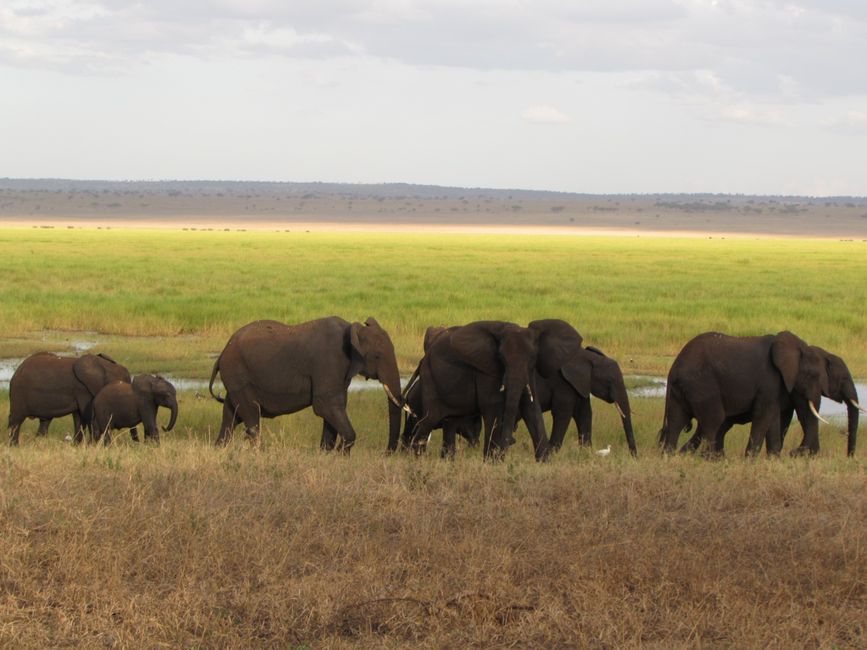
The migration follows a roughly circular route that spans the Serengeti National Park in Tanzania and the Maasai Mara National Reserve in Kenya. The journey is divided into several phases, each characterised by different landscapes and challenges. Typically, the herds calve in the southern Serengeti between January and March, where the nutrient-rich grasses support the growth of young. As the dry season approaches, they begin moving north and west, passing through the central Serengeti and the Grumeti Reserve.
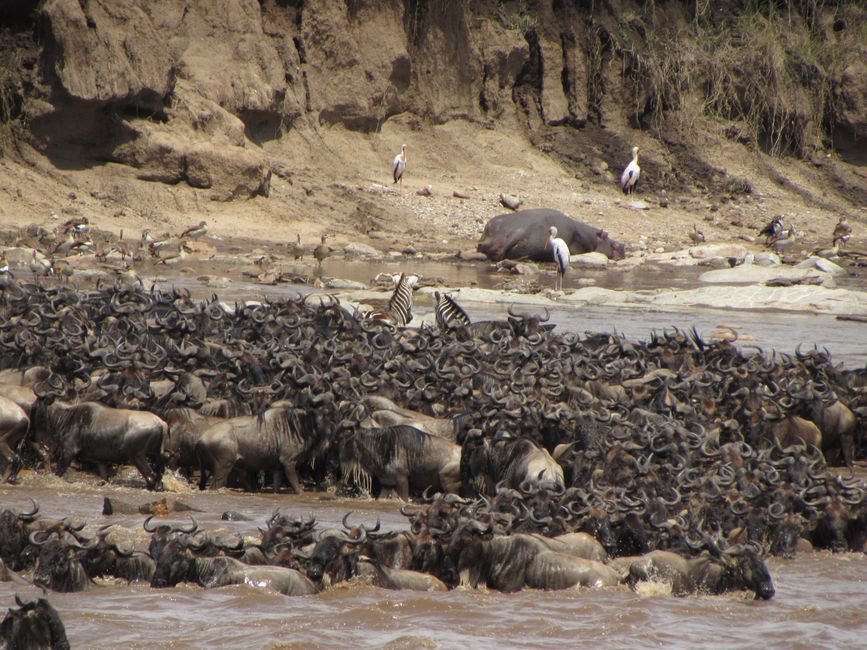
By July, the herds often reach the Mara River, a critical crossing point where they face strong currents and predators. After crossing, they spread across the Maasai Mara, grazing on the lush grasslands. In October, as the short rains begin in the south, the herds start their return journey, moving back through the eastern Serengeti and the Ngorongoro Conservation Area. This cyclical pattern is not rigid; the precise timing and route can shift based on rainfall and other factors.
The movement is not a single mass but consists of multiple groups that may travel at different paces. Some herds may split or merge, creating a fluid and dynamic system. The routes are also influenced by topography, with rivers and hills acting as barriers or corridors. The Mara River, in particular, is a formidable obstacle that herds must cross, often with significant losses. The migration’s route is therefore a combination of traditional pathways and opportunistic responses to environmental conditions.
For observers, following the herds requires patience and flexibility. Savanna Wild’s guides, with their local knowledge, can help track the movement, but the unpredictable nature of the migration means that sightings are never guaranteed. The route is not a fixed itinerary but a living, shifting phenomenon.
Survival Challenges Along the Way
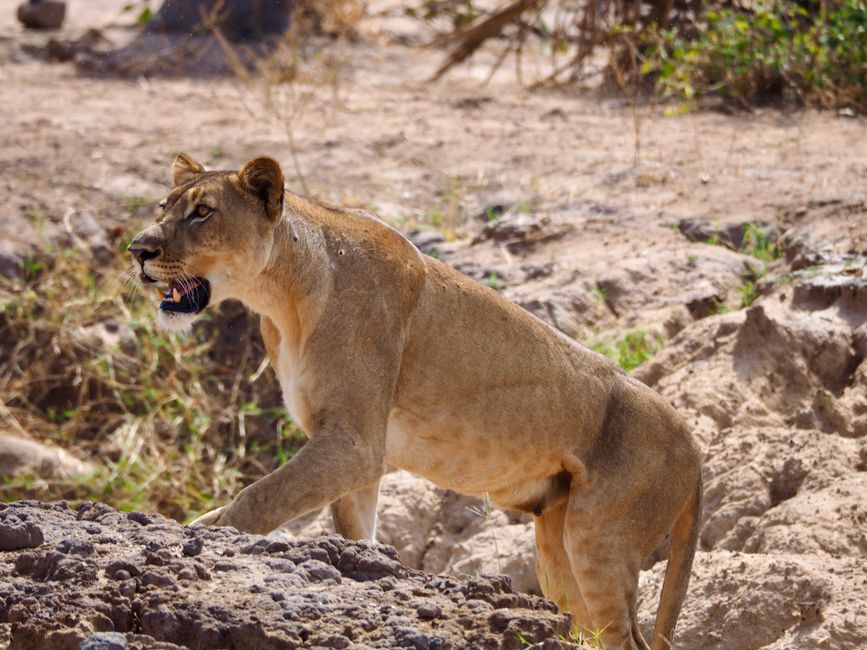
The Great Migration is a test of endurance and survival, with numerous challenges that claim the lives of many animals. Predation is a constant threat, with lions, cheetahs, leopards, and hyenas preying on the herds. The concentration of animals attracts predators, and the young, old, and infirm are particularly vulnerable. In the Mara River, crocodiles lie in wait, and the crossing often results in chaos and casualties.
Exhaustion and malnutrition also take a toll. The journey is long and arduous, covering hundreds of kilometres over difficult terrain. Animals may become weak, making them easier targets for predators or unable to keep up with the herd. Diseases such as anthrax and rinderpest can outbreak in dense populations, further impacting survival rates. Additionally, drowning during river crossings is a significant cause of mortality, especially when currents are strong or when animals panic.
Human activities also pose challenges. Habitat loss, fencing, and poaching can disrupt migration routes and reduce available grazing. Climate change adds another layer of uncertainty, as altered rainfall patterns may shift the timing and availability of resources. The migration is therefore not only a natural spectacle but also a barometer of ecosystem health. Conservation efforts, such as those supported by Savanna Wild, aim to mitigate these challenges, but the outcomes depend on many factors beyond immediate control.
Despite these challenges, the migration continues, driven by the resilience of the species and the abundance of the ecosystem. Each year, the herds face these obstacles, and their survival is a testament to the adaptive nature of wildlife.
Ecological Significance and Conservation Context
The Great Migration plays a crucial role in the ecology of the Serengeti-Mara ecosystem. The movement of millions of herbivores shapes the landscape through grazing, trampling, and nutrient cycling. As the herds move, they disperse seeds, fertilise the soil with their dung, and create grazing lawns that benefit other species. The migration also supports a complex food web, providing sustenance for predators, scavengers, and insects.
The phenomenon is a key attraction for tourism, generating revenue that can support conservation efforts. However, tourism must be managed carefully to avoid negative impacts such as disturbance to wildlife and habitat degradation. Organisations like Savanna Wild emphasise responsible practices, but the balance between tourism and conservation is delicate. The migration’s ecological significance extends beyond the region, as it contributes to global biodiversity and carbon storage in grasslands.
Conservation challenges include protecting migratory corridors, mitigating human-wildlife conflict, and addressing climate change. International cooperation is essential, as the migration crosses national borders. The future of the Great Migration depends on a combination of protected areas, community engagement, and sustainable policies. While the exact outcomes are uncertain, ongoing monitoring and adaptive management can help preserve this natural wonder.
In conclusion, the Great Migration is a multifaceted phenomenon that involves triggers, routes, and survival challenges. It is a dynamic process shaped by environmental factors and instinct, with no guaranteed outcomes. By understanding these elements, we can appreciate the complexity of the natural world and the importance of conserving it for future generations.