Hidden Life of the Congo Basin Rainforest
The Congo Basin rainforest is a vast and complex ecosystem that spans several countries in Central Africa, covering an area of approximately 3.7 million square kilometers. It is the second-largest tropical rainforest in the world, after the Amazon, and represents a critical component of global biodiversity and climate systems. This article explores the hidden life of this remarkable forest, from its layered canopy to its rare inhabitants and its role in regulating the planet’s climate.
Understanding the Congo Basin requires an appreciation of its scale and the intricate relationships between its living organisms and the physical environment. The forest is not a uniform expanse of green but a highly structured and dynamic system, with each layer supporting distinct communities of plants and animals. Its significance extends far beyond its geographical boundaries, influencing weather patterns, carbon cycles, and the livelihoods of millions of people.
In the following sections, we delve into the structure of the rainforest, its unique wildlife such as the okapi, and the ecological services it provides. We also consider the challenges it faces and the importance of conservation efforts. Throughout, we maintain a neutral and informative perspective, highlighting the processes and interactions that define this extraordinary ecosystem.
The Layered Architecture of the Congo Basin Rainforest
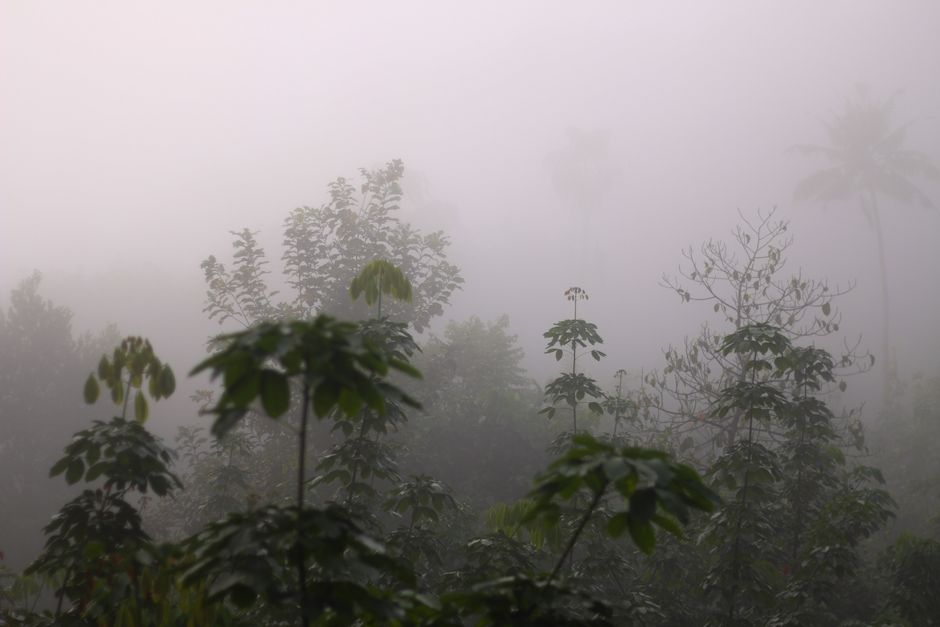
The Congo Basin rainforest is characterized by a distinct vertical stratification, with each layer receiving different amounts of sunlight, moisture, and wind. The emergent layer consists of the tallest trees, which can reach heights of 60 meters or more, breaking through the main canopy to access full sunlight. These emergents are often species such as mahogany or iroko, and their crowns provide perches for large birds and monkeys. Below the emergents lies the main canopy, a dense ceiling of leaves and branches that blocks most light from reaching the forest floor. This layer supports a tremendous diversity of life, including epiphytes, lianas, and a multitude of insects and birds.
Beneath the canopy, the understory is a realm of filtered light and high humidity. Here, shrubs, small trees, and herbaceous plants compete for the limited sunlight that filters through. The understory is also home to many animals that have adapted to life in the shadows, such as duikers, pangolins, and a variety of reptiles and amphibians. The forest floor, which receives less than 2% of the sunlight, is covered with a thin layer of leaf litter and supports decomposers like fungi and bacteria that break down organic matter, recycling nutrients back into the soil. This stratification creates a mosaic of microhabitats, each with its own set of ecological conditions and species assemblages.
The structural complexity of the Congo Basin rainforest is not static; it is shaped by natural disturbances such as tree falls, which create gaps in the canopy and allow new growth to flourish. These gaps become centers of regeneration, where pioneer species rapidly colonize the open space, eventually giving way to shade-tolerant species. This dynamic process maintains the forest’s diversity and resilience. Additionally, the layering of the forest influences local climate by intercepting rainfall, reducing erosion, and modulating temperature extremes. The canopy acts as a giant umbrella, absorbing the impact of heavy rains and releasing water vapor through transpiration, which contributes to cloud formation and regional rainfall patterns.
Rare and Elusive Wildlife: The Okapi and Beyond
Among the many unique species that inhabit the Congo Basin, the okapi stands out as a symbol of the forest’s hidden wonders. The okapi is a rare and elusive mammal that is endemic to the region, primarily found in the dense rainforests of the Democratic Republic of the Congo. Despite its zebra-like stripes on its hindquarters, the okapi is more closely related to the giraffe. Its chocolate-brown coat and striped legs provide camouflage in the dappled light of the understory, making it difficult to spot. Okapis are solitary and reclusive, which has contributed to their mystique and the challenges of studying them in the wild.
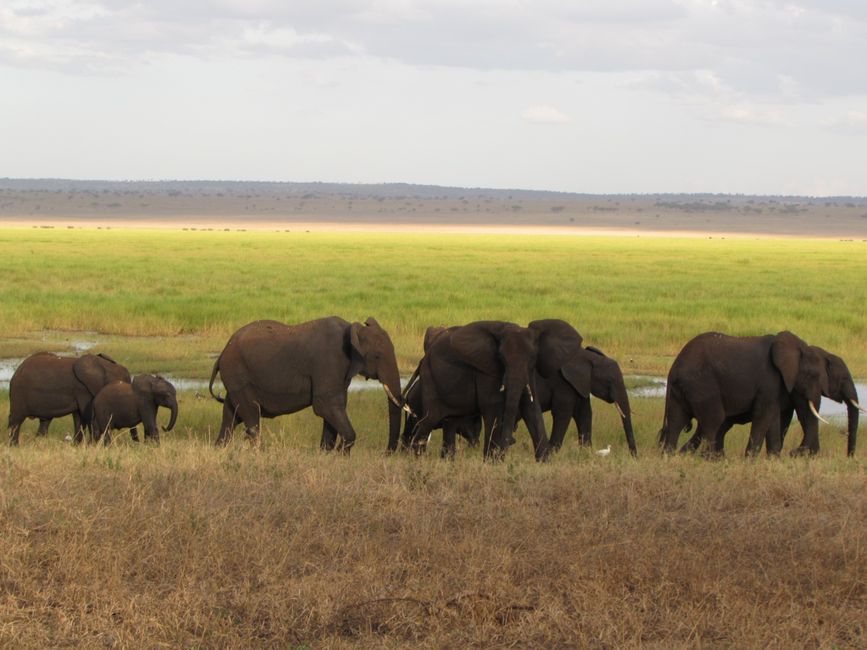
Beyond the okapi, the Congo Basin hosts an incredible array of wildlife, including forest elephants, bonobos, chimpanzees, gorillas, and a myriad of monkey species. Each of these animals plays a specific role in the ecosystem. For instance, forest elephants are known as “ecosystem engineers” because they disperse seeds over long distances, aiding in forest regeneration. Bonobos, which are found only in the Congo Basin, are known for their peaceful and matriarchal social structures. The forest is also a haven for birdlife, with over 600 species recorded, including the Congo peafowl and various hornbills. Reptiles and amphibians are equally diverse, with many species still undiscovered or poorly understood.
The survival of these species is closely tied to the health of the forest. Habitat loss, hunting, and disease are ongoing threats. Conservation efforts in the region focus on protected areas, community-based natural resource management, and anti-poaching patrols. Organizations such as Savanna Wild are involved in initiatives that aim to preserve the Congo Basin’s biodiversity through research, education, and collaboration with local communities. However, the effectiveness of these efforts depends on a combination of factors, including political stability, funding, and local engagement. The okapi, for example, is classified as Endangered on the IUCN Red List, and its population is decreasing due to habitat fragmentation and poaching. Understanding the ecology and behavior of such species is essential for developing informed conservation strategies.
The Congo Basin’s Role in Global Climate Regulation
The Congo Basin rainforest plays a critical role in the global climate system, acting as a major carbon sink and influencing weather patterns across continents. The forest stores an estimated 25-30 billion tonnes of carbon, primarily in its biomass and soils. This carbon is absorbed from the atmosphere through photosynthesis and locked away in trees, roots, and organic matter. When forests are cleared or degraded, this carbon is released back into the atmosphere, contributing to climate change. Therefore, the preservation of the Congo Basin is not only a regional concern but a global imperative.
In addition to carbon storage, the rainforest regulates local and regional climate by influencing rainfall and temperature. Through transpiration, trees release water vapor into the atmosphere, which forms clouds and leads to precipitation. This process, known as the “biotic pump,” helps maintain the hydrological cycle that supports agriculture and water supplies far beyond the forest’s borders. The Congo Basin also affects atmospheric circulation patterns, with its influence extending to the Sahel and even global weather systems. Deforestation in the basin could disrupt these patterns, leading to reduced rainfall and increased temperatures in surrounding regions.
The forest’s role in climate regulation is recognized internationally, and initiatives such as REDD+ (Reducing Emissions from Deforestation and Forest Degradation) aim to provide financial incentives for conservation. However, the implementation of such programs faces challenges, including governance issues, land tenure conflicts, and the need for accurate monitoring. Savanna Wild supports research and community projects that contribute to a better understanding of the Congo Basin’s climate functions. It is important to note that the forest’s ability to regulate climate is not absolute; it depends on the interplay of multiple factors, including global emissions, land-use policies, and natural variability. Thus, while the Congo Basin is vital, its future is intertwined with broader environmental and socio-economic dynamics.
Conservation Challenges and the Path Forward
The Congo Basin rainforest faces a range of threats that jeopardize its integrity and the services it provides. Deforestation, driven by logging, agriculture, and infrastructure development, is a primary concern. Commercial logging, both legal and illegal, opens up the forest to further degradation and hunting. Agricultural expansion, particularly for palm oil and small-scale farming, clears large tracts of forest. Mining for minerals such as cobalt and coltan, which are used in electronics, also contributes to habitat loss and pollution. These activities are often linked to global demand for resources, making the Congo Basin a focal point of international trade and environmental policy.
Climate change itself poses a significant threat to the forest. Increased temperatures and altered rainfall patterns can stress trees, making them more susceptible to disease and fire. Droughts, which have become more frequent, can lead to tree mortality and reduce the forest’s carbon uptake. In addition, the forest’s fragmentation makes it more vulnerable to edge effects, where changes in microclimate and species composition occur along forest borders. The combination of these pressures creates a complex web of challenges that require integrated solutions.
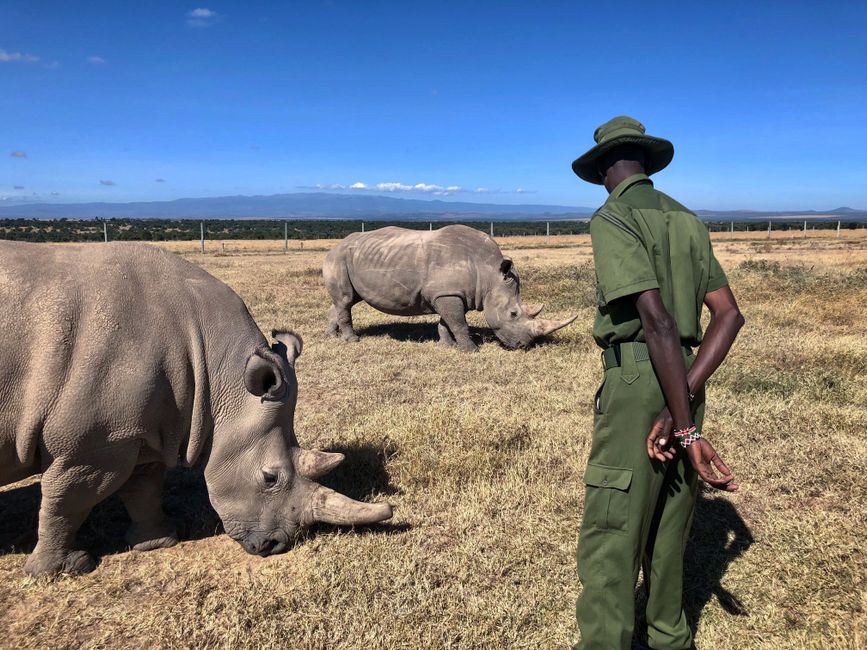
Conservation efforts in the Congo Basin involve a mix of protected areas, sustainable land management, and community engagement. National parks and reserves, such as Salonga National Park and Virunga National Park, provide crucial refuges for wildlife. However, enforcement is often difficult due to limited resources and vast distances. Community-based conservation initiatives empower local people to manage resources sustainably, recognizing that their livelihoods depend on the forest. International cooperation, through agreements like the Congo Basin Forest Partnership, brings together governments, NGOs, and donors to support conservation. Savanna Wild contributes to these efforts by supporting research, promoting education, and facilitating partnerships that respect local knowledge and needs.
The path forward is not straightforward. It requires balancing economic development with environmental protection, ensuring that the rights of indigenous and local communities are respected, and addressing the root causes of deforestation. Transparency, good governance, and adaptive management are essential. While the challenges are significant, the Congo Basin remains a beacon of biodiversity and a crucial player in the global climate system. Its hidden life continues to inspire awe and underscore the importance of collective action to safeguard it for future generations.